



Chinese Zodiac - Tiger Statue
Representing courage, strength, and majesty, it is one of the highly symbolic animals in Chinese culture. In the Twelve Earthly Branches, the tiger corresponds to "Yin" and is therefore also known as "Yin Hu". In Chinese culture, bravery and nobility are often associated as symbols of power and honor. In the legends of the twelve zodiac animals, the tiger appears in the image of bravery and courage, and is regarded as the king of the mountains and forests. According to legend, in the process of selecting zodiac animals, tigers have won people's respect and worship with their fearless spirit and powerful strength, thus occupying an important position in the zodiac. In Chinese culture, it is not only a symbol of strength, but also a symbol of protection and security.

Chinese Zodiac - Ox Statue
It is an important symbol in Chinese culture, representing the qualities of diligence, resilience, and stability. In the Twelve Earthly Branches, the cow corresponds to "Chou", and is therefore also known as "Chou Niu". Plays a crucial role in agricultural society and is a symbol of cultivation and productivity. In the legends of the twelve zodiac animals, cows are known for their diligence and endurance, and are loyal companions of farmers. According to legend, in the selection competition for zodiac animals, cows have gained people's respect for their hard work and thus occupy a place in the zodiac. In Chinese culture, it symbolizes diligence and loyalty, representing strength and endurance. Considered an auspicious year, it heralds a bountiful harvest and prosperity

Chinese Zodiac - Rat Statue
It is an important component of traditional Chinese culture and represents one of the twelve zodiac animals. In the ancient Chinese calendar system of heavenly stems and earthly branches, each zodiac sign corresponds to a earthly branch, and the earthly branch corresponding to the rat is "zi", hence also known as "zi shu". In the legends of the twelve zodiac animals, the rat is known for its wit and agility. According to legend, when the Jade Emperor selected the zodiac animals, the rat, with its intelligence and wit, was the first to arrive at the Heavenly Palace and became the head of the zodiac. It embodies the agility and agility traits of mice. It is considered a symbol of wisdom and wealth because mice are good at accumulating food, symbolizing abundance and harvest. But sometimes it is also often associated with negative images.

Horus Statue
This stone amulet of the Holy Falcon of Horus in ancient Egypt from the 21st to the 16th century BC is very common. The eyes are made of semi precious stones, dark blue lapis lazuli, and black obsidian.

Christ's Passion Statue
The Passion of Christ depicts a scene of Jesus Christ being crucified on the cross and held in the arms of his mother Mary. This is a common Christian art theme aimed at expressing a mother's pain and sorrow towards her son.

Martres Tolosane City Establishment Monument
Martres Tolosane is a municipality in the Upper Garonne department of the Occitanie region in France. This medieval village has a characteristic that its shape is circular, known as the 'circle'. The most famous historical buildings in the village are the 13th century castle and cathedral. The historical and cultural heritage of the village includes a 13th century castle and cathedral. In addition, there are some other historical buildings, such as the Roman villa Chiragan, which is one of the most important villas in Europe, and the discovered statues can be seen at the Saint Raymond Museum in Toulouse.

Saint Zachariah
This is a statue of St. Zacharias located on the Baroque style Fourteen Hardroads in Heiligenkreis. St. Zachariah is a priest in the New Testament of the Bible. According to the Gospel of Luke, he lived during the time of King Herod and married Elisabet, who was the father of John the Baptist. St. Zachariah is an important figure in the Christian tradition because he is the father of John the Baptist, who is a cousin and pioneer of Jesus Christ.

Colonel Otmar Moore Memorial
The Colonel Othmar Muhr Memorial located in Sopron. The monument is a half body statue on a pillar, commemorating the cavalry commander, Colonel Otmar Muir, who was the commander of the 9th Cavalry Regiment of Count Nadasti, a cavalry unit of the Austro Hungarian Empire. Colonel M ü ller led 400 cavalry to confront the Russian army in northern Hungary and achieved victory. But in this process, Colonel Moore sacrificed his own life.

Moses Fountain
The Moses Fountain located on Franz Iskane Square in the first district of Vienna. Created by sculptor John Martin Fisher. Johann Martin Fischer was an 18th century Austrian sculptor known for his neoclassical style and significant contributions to urban sculpture in Vienna. The Moses Fountain is a historical landmark in Vienna, whose design and decoration reflect the artistic style and cultural values of the time.

Maria Theresa Statue
The statue of Maria Theresa located in the French Garden of Grassakovich Palace in Bratislava. This statue is a reconstruction of a horse sculpture from the second half of the 18th century. Maria Theresa was a famous Grand Duchess and Queen of Hungary in Austrian history, and her reign had a profound impact on the Austrian Empire and later the Austro Hungarian Empire.
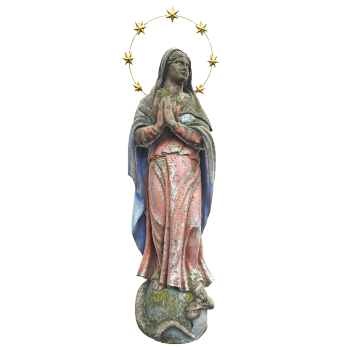
Virgin Mary Statue
This statue is a colorful Virgin Mary statue from Kittsee, located in the central green space of Kittsee village. The Marian Column is a common religious monument in Central Europe, especially during the Baroque period. They are often used to celebrate the miracles of the Virgin Mary or as a symbol of protection for the village.
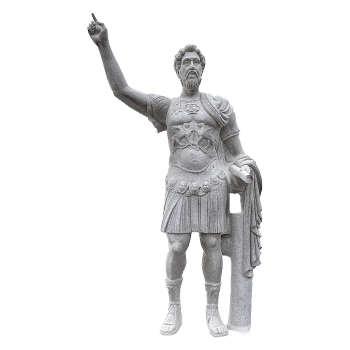
Marcus Aurelius Statue
The statue of Marcus Aurelius located in Bad Deutsch Altenburg. Marcus Aurelius was an important ruler of the Roman Empire and a renowned philosopher. His Meditations had a profound impact on later generations.

Former Royal Infantry Regiment Monument
On a war memorial in Sopron, there is a lion statue standing on a pedestal with a coat of arms. This monument was built to commemorate the 8625 fallen soldiers of the former Royal Infantry Regiment. Sopron is a city in western Hungary, located near the Austrian border, and was historically a military strategic location. This monument is not only a commemoration of the soldiers who lost their lives in war, but also a witness to historical events and a reflection on peace.
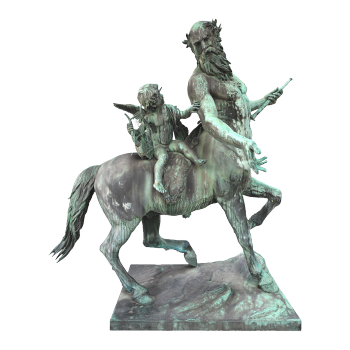
The Old Centaur and the Love God Eros
The bronze statues of the centaur and the riding goddess Eros, located in front of the Academy of Fine Arts in Vienna, were created in 1892. This statue represents the characteristics of old age through the image of an old centaur and the riding of Eros, and is a typical example of the combination of art and mythology.
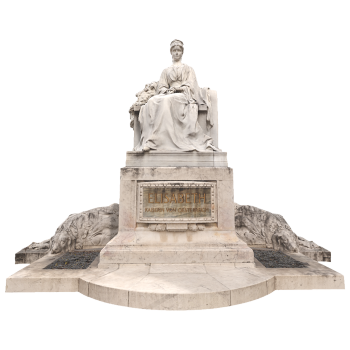
Elizabeth Memorial
This is a monument located in the People's Park in the first district of Vienna, commemorating Empress Elisabeth. Queen Elizabeth, also known as Sissi, was assassinated in Geneva on September 10, 1898. On June 4, 1907, it was unveiled in the presence of Franz Joseph I. Her family calls her Sisi, and since Ernst Marischka's films, her name "Sisi" has become widely known around the world.

Bust of Joseph II
The bust of Holy Roman Emperor Joseph II, located next to the Klein Grosnau Baths, was created in 1905. Joseph II was an Austrian emperor in the 18th century, known for his enlightened rule and numerous reforms.

Statue of Julius Caesar
The statue of Julius Caesar located on the slope of the first district council building in Vienna. Julius Caesar was an outstanding politician, military leader, and writer of the late Roman Republic, known for his victories in the Gallic Wars and subsequent civil wars. He is considered by historians to be the uncrowned king of the Roman Empire and had a profound impact on Roman history.

Bust of John Calvin
A bust of John Calvin in front of the Reformed Church in Sopron. John Calvin (1509-1564) was one of the most influential systematic theologians in the 16th century Reformation movement. John Calvin is not only renowned for his theological works, but also for the theocratic political system he established in Geneva. His teachings emphasize the sovereignty of God, the fall of humanity, and predestination, which form the core of Reformed theology.

Bust of Johann Wolfgang von Goethe
Portrait bust of Johann Wolfgang von Goethe located next to the Klein und Gro ß au beach. Johann Wolfgang von Goethe is one of the most famous literary figures in German history, and his works include "Faust" and "The Sorrows of Young Werther", which have had a profound impact on world literature. This bust is a tribute to Goethe's cultural heritage.

Stephen Statue
Stephen's story is recorded in the Book of Acts, where he faced opposition from Jewish religious leaders for bravely promoting the Christian faith and was ultimately stoned to death. His martyrdom became an important event in Christian history, inspiring later Christians to persevere and sacrifice for their faith. The image of St. Stephen in the sculpture group of the Hardroad at the Heiligenkreis Monastery not only commemorates his historical position as the first martyr, but also reflects the reverence of Christianity for faith and martyrdom spirit. The statue is located on the Hardroad at the Heiligenkreis Monastery.

San Sebastian Monument
Saint Sebastian was an early Christian saint and martyr, often depicted in art as being pierced by arrows, as he was tied to a tree and shot while being persecuted. In the Christian tradition, he became a symbol of resistance to epidemics and other diseases, and the statue is located on the bitter road of the Heiligenkreis Monastery.
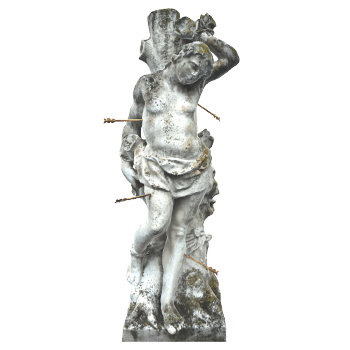
San Sebastian Statue
Saint Sebastian was an early Christian saint and martyr, often depicted in art as being pierced by arrows, as he was tied to a tree and shot while being persecuted. In the Christian tradition, he became a symbol of resistance to epidemics and other diseases, and the statue is located on the bitter road of the Heiligenkreis Monastery.

Statue of Saint Robustus
St. Paul of Thebes, located on the bitter road of the Heiligenkreis Monastery. Statue making began in 1731. Saint Robustus is a saint in Christianity. According to legend, he was the first hermit of Egypt and the father of the desert, hence he is also known as the hermit of Saint Robutus I.

Lednica Castle Garden Zeus Statue
The 17th century Zeus statue located in Lednice Castle Garden. Zeus is the highest god in Greek mythology, in charge of the sky and thunder, and is the leader of the Olympian gods. The history of the gardens of Ledernitz Castle can be traced back to the 12th century, initially as a fortress used to defend against foreign crossing of rivers. Later, it became the private property of the Liechtenstein family and was transformed into a magnificent courtyard between the 17th and 20th centuries.

Popular Models
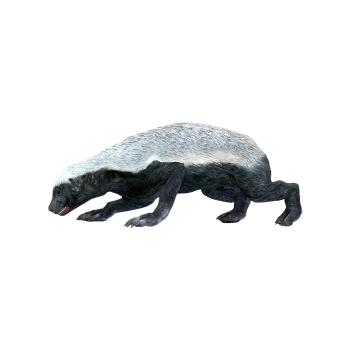
Honey Badger (3D animated model)
196 View
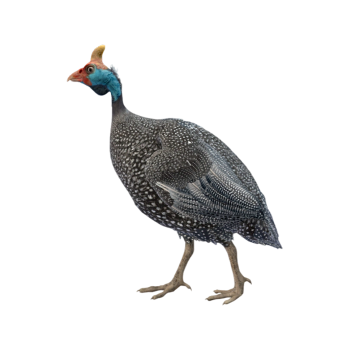
Guinea fowl (3D animated model)
165 View
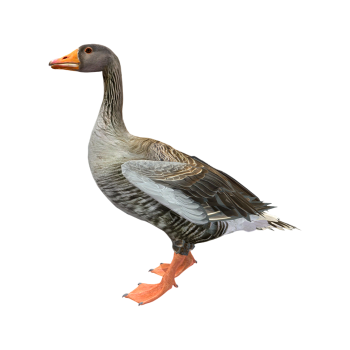
Wild Goose (3D animated model)
187 View
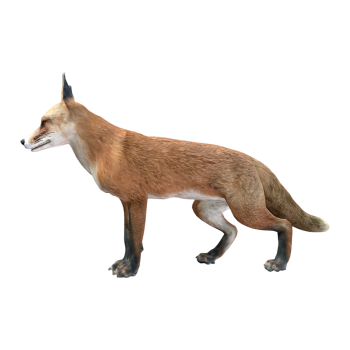
Red Fox (3D animated model)
155 View
Random Model

australia angle screw shell
642 View
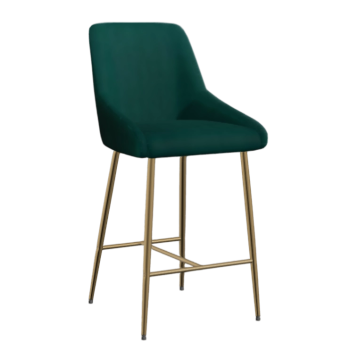
Bar Chair
701 View

Adidas Gazelle sneaker
520 View
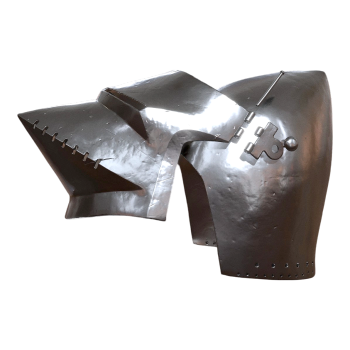
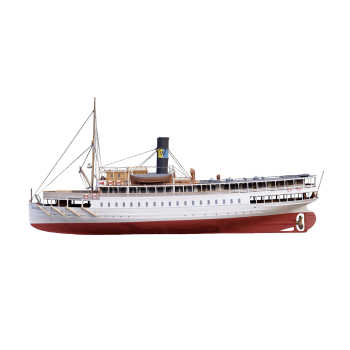
Swedish passenger steamship Nortelje
1034 View

sliced lemon
589 View
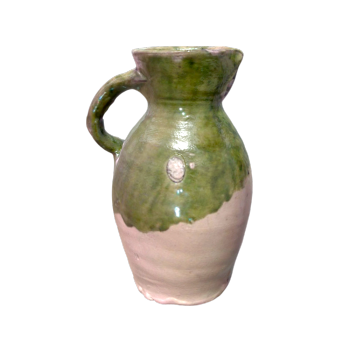
Vintage clay pitcher
555 View

Jewelry Tortoise
725 View

Sony Playstation 1
779 View
